
History of Polyurethane
What Is Polyurethane?
Polyurethane is one of the most important polymer materials in modern industry thanks to its durability, flexibility, lightweight structure and wide range of application possibilities. Today, it is used across many sectors, including automotive, furniture, construction, footwear, white goods, insulation and industrial production.
Polyurethane materials can be produced in different forms such as rigid foam, flexible foam, elastomer, coating, adhesive, sealant and composite structural components. This versatility makes polyurethane an essential material both in technical applications requiring high performance and in products used in everyday life.
High mechanical strength, thermal insulation, impact resistance, flexibility and long service life are among the main reasons why polyurethane technology is widely preferred in industrial production.
History of Polyurethane
The development of polyurethane was shaped by chemical research that began in the first half of the 20th century. Initially used mainly in coatings, elastomers and adhesive applications, polyurethane later reached a much broader industrial field with the advancement of foam technologies.
Today, polyurethane is considered a strategic production technology capable of meeting expectations for comfort, insulation, lightweight design, durability and energy efficiency within a single material family.
Polyurethane Development Timeline
Discovery of the basic polyurethane chemistry.
Rigid foam began to be used in low-temperature applications.
Use as an adhesive between rubber, metal and glass.
First insulation applications and technical foam uses.
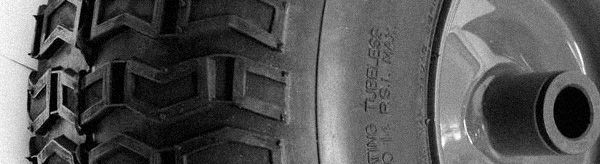
Hardened rolling polyurethane wheel applications.
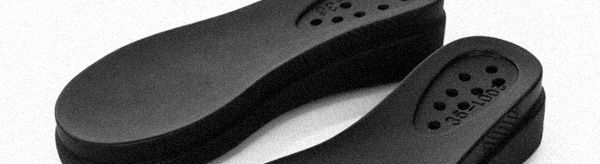
Use in shoe soles and synthetic leather applications.
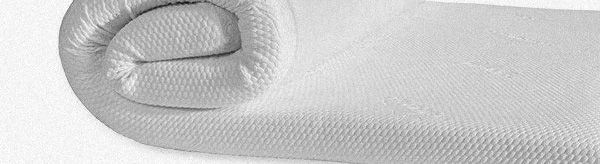
Development of mattresses and comfort foam applications.
Use in synthetic fiber and textile applications.
Use of polyurethane in steel sandwich construction panels.
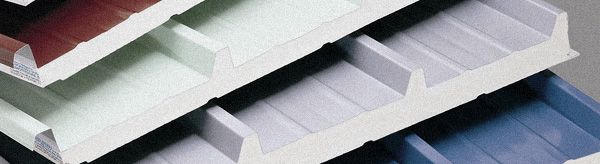
Expansion of integral foam and shoe sole applications.
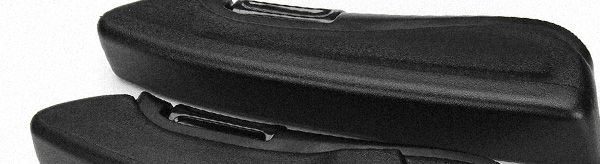
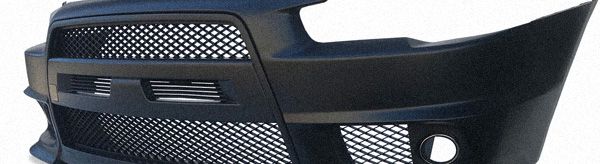
Automotive bumper applications in the vehicle industry.
Use in orthopedic, medical and advanced engineering applications.
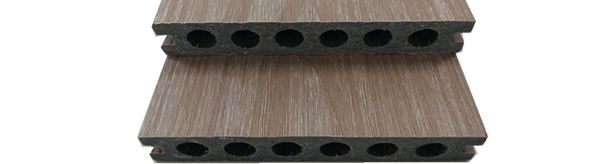
Development of spray building insulation applications.

Use as a lightweight and durable material in surfboards.
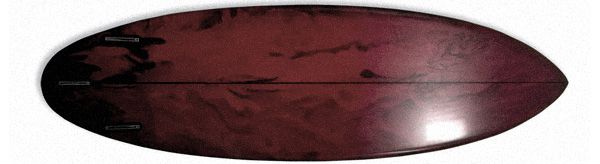
Use in energy-absorbing foams for passenger safety.
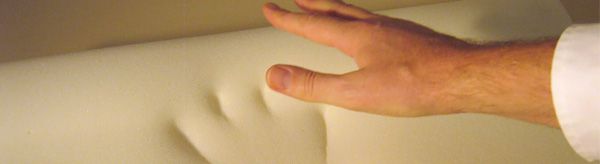
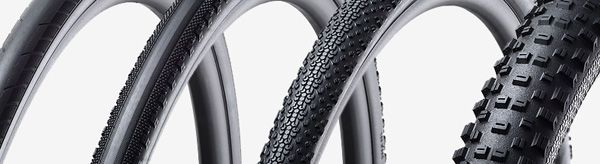
Bicycle wheel and technical elastomer applications.
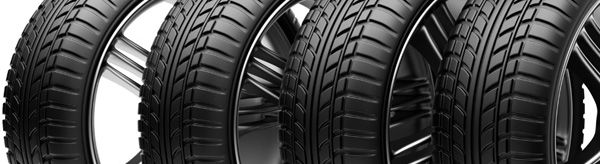
Expansion of use in automotive wheels and vehicle components.
Widespread use in home, office furniture and comfort products.

Lightweight and durability-focused applications in the aerospace industry.

The development of polyurethane continues with new application areas.